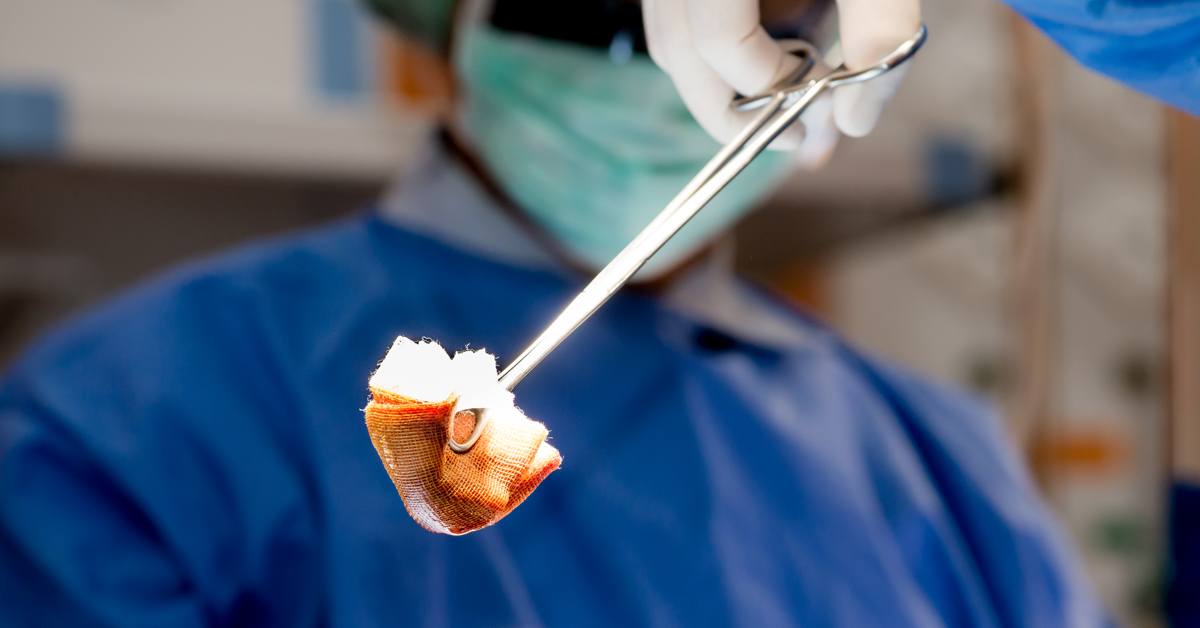
When surgical objects are mistakenly left inside a patient’s body, the consequences can be life-altering. Foreign objects like surgical sponges, tools and other instruments retained inside the body after surgery can lead to serious health complications such as infections, organ damage, blood poisoning, additional surgeries, long-term injury, amputation or even death. These incidents, known as “never events,” are entirely preventable, often raising serious questions about surgical protocols, hospital accountability, and patient safety. Foreign object or “retained surgical item” (RSI) cases often form the basis for medical malpractice claims. At Dreyer Boyajian LLP, our experienced medical malpractice attorneys have helped clients in Albany, Schenectady, Troy, Saratoga, and throughout New York who have suffered due to severe and entirely preventable mistakes.
A foreign object is anything that should not be left behind inside the body after surgery. During surgery, doctors may use many tools like scalpels, scissors, forceps, needles, drill tips, clamps, tubes, sponges, towels, and gauze. Sometimes, these objects are mistakenly left behind or a fragment of the surgical instrument breaks apart inside the body and is not removed
Surgery can involve very complex procedures involving multiple surgeons, anesthesiologists, nurses, technicians, assistants, and others in the operating room. Common causes of retained surgical items include poor management, lack of policies and procedures, communication breakdowns, inexperienced staff, fatigue, distractions, human error, and lack of organizational and technological tracking of surgical tools and instruments. The abdomen and pelvis are common locations where foreign objects are left behind, but retained surgical items can be retained within or migrate to the thorax, spine, head and neck, brain, and extremities.
Hospitals and healthcare providers are responsible for implementing standard procedures that account for all surgical tools and items before, during, and after surgery. This is often done by manually counting and verifying that all surgical tools and items are accounted for before surgery is concluded. Although manual counting protocols are common practice, they are also prone to error. New technologies have emerged that can assist operating room teams to enhance counting and eliminate foreign objects left behind after surgery. This includes the use of surgical instruments that have bar code or radio frequency (RF) based systems that tag each item and use a scanner to detect and track the location of the item. These technologies can count and track multiple surgical items both before, during and after surgery, whether located inside the patient or other locations such as operating tables, trays, waste bins, etc.
Legal & Regulatory Concerns
1. Negligence & Medical Malpractice
Patients, including minors, may file malpractice suits, arguing that a hospital breached the standard of care by failing to ensure that surgical items were accounted for.
2. Pattern Evidence & Discovery
Multiple similar events at the same institution strongly suggest negligence and breaches in the standard of medical care.
3. Statute of Limitations under CPLR 214-A
New York Civil Practice Law and Rules § 214-a generally gives plaintiffs two years and six months from the date of the alleged malpractice to file suit. However, in cases involving retained surgical items, the statute may be tolled within one year under the “foreign object” exception, starting the clock from when the object is discovered or reasonably should have been discovered. This provision can be crucial for plaintiffs who experience delayed symptoms or whose injuries surface long after the initial procedure.
Providers with multi-incident cases underscore that even rare “never events”, if repeated, can expose a hospital to pattern liability, class actions, reputational harm, and regulatory scrutiny. A preventive legal strategy combines technology implementation, transparency, staff empowerment, and the utilization of data from past cases to protect against future liability and enhance patient safety.
If you or a loved one has experienced a “Never Event”. After getting medical care, consult an experienced medical malpractice attorney as soon as possible. You may be entitled to compensation for pain, suffering, additional procedures, and long-term consequences.
Dreyer Boyajian LLP is here to help you understand your rights and fight for the justice and compensation you deserve.