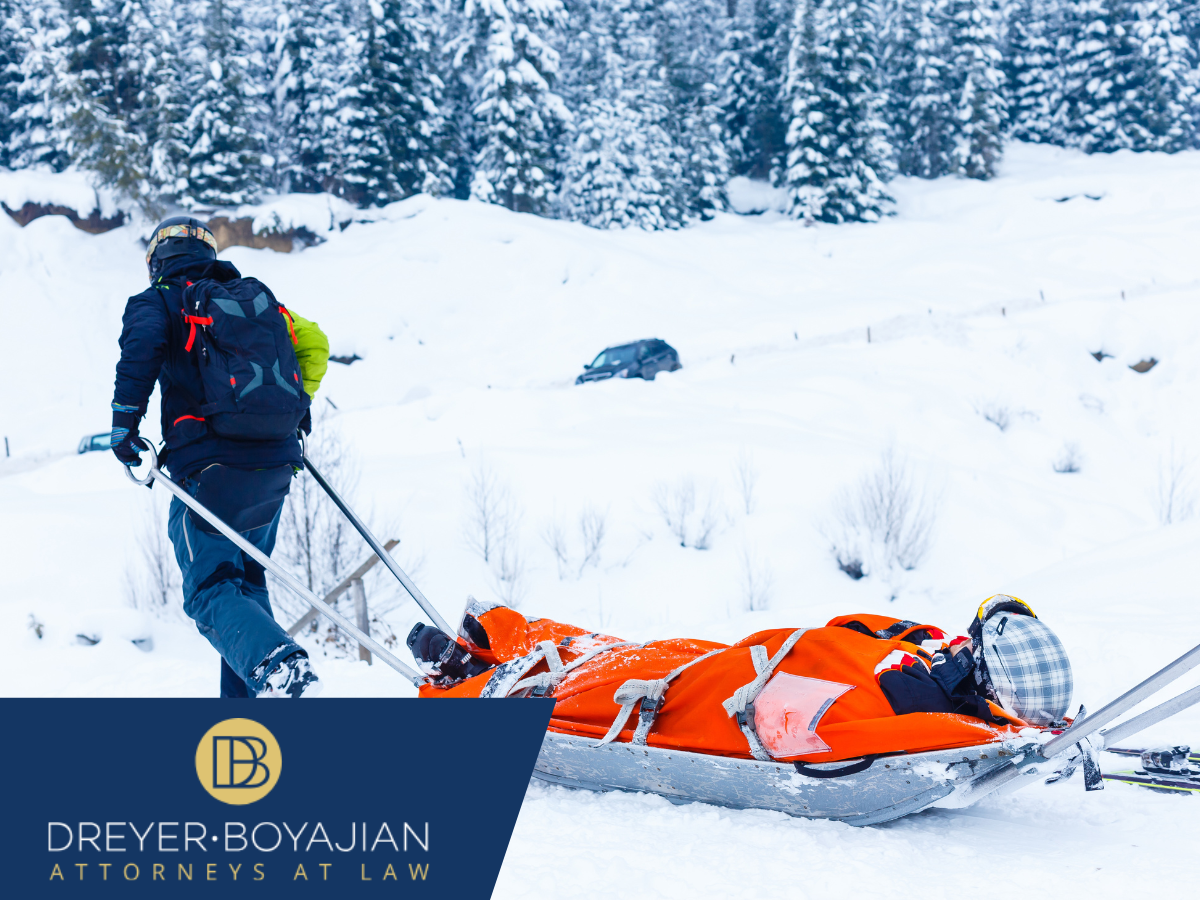
Winter Injuries

Winter Sports Injuries: What You Need to Know Before Hitting the Snow

Winter sports like skiing, ice skating, snowmobiling, and snowboarding are popular—but they also come with serious risks. Each year, thousands of people suffer preventable injuries due to unsafe conditions, defective equipment, or negligent behavior. When those injuries are caused by someone else’s actions, a personal injury claim may be appropriate.

Common Winter Sports Injuries

Winter sports injuries range from minor to life-altering. The most common include:

  • Broken bones (wrists, arms, legs, collarbones)
  • Head and brain injuries, including concussions
  • Spinal and neck injuries
  • Knee injuries (ACL and meniscus tears)
  • Severe lacerations and internal injuries
  • Hypothermia and frostbite in prolonged exposure cases

These injuries often require emergency care, surgery, rehabilitation, and time away from work.

Skiing & Snowboarding Accidents

Ski and snowboard injuries frequently occur due to:

  • Poorly maintained trails
  • Collisions with other skiers
  • Malfunctioning chairlifts
  • Inadequate signage or trail warnings
  • Rental equipment failure

Ski resorts have a duty to maintain safe conditions. When they fail to do so, they may be held liable for resulting injuries.

Ice Skating Injuries

Ice skating accidents commonly involve:

  • Cracked or uneven ice
  • Overcrowded rinks
  • Lack of supervision
  • Failure to address known hazards

Property owners and rink operators are responsible for keeping skating areas reasonably safe.

Snowmobiling Accidents

Snowmobile injuries are often severe and may involve:

  • High-speed collisions
  • Poor trail maintenance
  • Defective snowmobiles
  • Intoxicated or reckless riders

These accidents can involve multiple liable parties, including manufacturers, rental companies, or other operators.

Other Winter-Related Injuries

Additional winter injury scenarios include:

  • Sledding accidents
  • Tubing park injuries
  • Slips and falls near winter sports facilities

Who May Be Liable?

Depending on the situation, liability may fall on:

  • Ski resorts or property owners
  • Equipment manufacturers or rental companies
  • Event operators or tour companies
  • Other participants acting recklessly

An experienced personal injury attorney can investigate the facts and identify all responsible parties.

What to Do After a Winter Sports Injury

If you’re injured:

  1. Seek medical attention immediately
  2. Report the incident to resort staff or property owners
  3. Document the scene and your injuries
  4. Avoid giving recorded statements without legal advice

How a Personal Injury Lawyer Can Help

A personal injury lawyer can:

  • Preserve critical evidence
  • Handle insurance companies
  • Determine liability
  • Pursue compensation for medical bills, lost wages, and pain and suffering

Winter sports injuries can have long-term consequences. If your injury was caused by negligence, you should not be left to deal with the financial burden alone. The attorneys at Dreyer Boyajian LLP can help you seek the justice and compensation you deserve.


 

Our Awards & Accolades

albany-county
av-rated
best-lawyers
capitol-district
federal-bar
multi-million
national-trial
ny-academy
ny-criminal
ny-state-bar
ny-state-trial
saratoga-county
super-lawyers